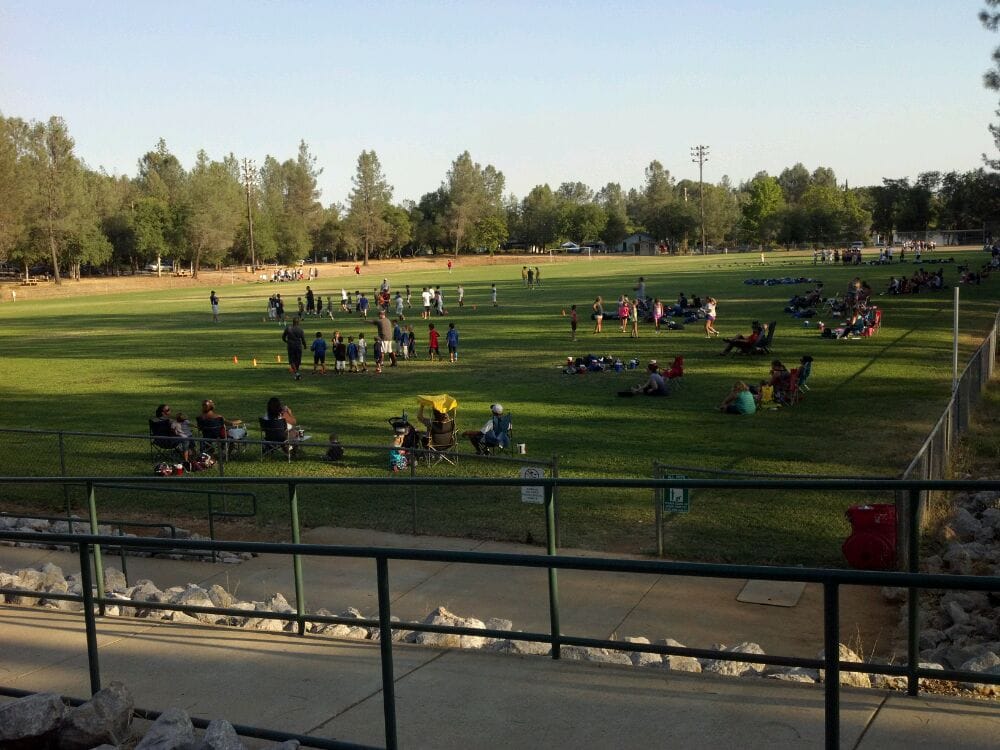
Shasta Lake is an incorporated city in Shasta County, located in the foothills north of Redding. Its history is closely connected to the construction of Shasta Dam, which brought workers, businesses, and new residential communities to the area beginning in the late 1930s.
Unlike cities that developed around a single historic downtown, Shasta Lake grew from several distinct communities, including Central Valley, Project City, Pine Grove, and Summit City. These areas eventually became part of one municipality when the City of Shasta Lake incorporated in 1993.
Today, the city offers established residential streets, local businesses, public parks, and access to nearby outdoor recreation. Shasta Dam Boulevard serves as an important commercial corridor, while Interstate 5 connects residents with Redding and other Northern California destinations.
Housing options include older single-family homes, renovated properties, manufactured homes, and residential lots with different sizes and settings. The surrounding foothills and forested areas also create considerations involving wildfire exposure, drainage, and property maintenance.
For buyers researching Shasta Lake real estate, the city offers an opportunity to compare established housing and long-term ownership costs while remaining connected to the broader Redding market.
The City of Shasta Lake is located in northern Shasta County, approximately nine miles north of Redding, depending on the route and starting point.
Interstate 5 runs through the eastern portion of the city and provides direct regional access. Shasta Dam Boulevard connects several of the city's historic residential and commercial areas and continues toward Shasta Dam.
State Route 151 provides access toward the dam area, while Interstate 5 connects Shasta Lake with communities farther north, including Lakehead and the Mount Shasta region.
Nearby communities include Redding to the south, Mountain Gate to the north, and unincorporated residential areas surrounding the city.
Redding provides additional shopping, healthcare, employment, and transportation services.
Buyers should distinguish between properties within the incorporated city, homes in surrounding unincorporated Shasta County, and properties elsewhere around the reservoir. A Shasta Lake mailing address does not automatically establish that a property lies within city limits.
Shasta Lake real estate reflects the city's history as a collection of communities established during the construction of Shasta Dam.
Residential properties vary in age, design, lot size, and condition. Buyers can find older homes, renovated properties, manufactured housing, and residential land.
Many residential streets contain detached single-family homes built during different decades.
Housing styles include traditional cottages, ranch-style homes, and other conventional wood-frame residences. Some properties have undergone substantial renovations, while others retain older construction features.
Buyers should evaluate foundations, roofing, electrical systems, plumbing, insulation, and heating and cooling equipment. Older additions and converted spaces deserve particular attention to permit history and construction quality.
The city's established housing stock creates opportunities to compare updated homes with properties that may require repairs or remodeling.
A renovated kitchen or updated interior does not necessarily mean that major building systems have been replaced.
For vacant parcels or properties with expansion potential, buyers should verify zoning, setbacks, utilities, and building requirements before making development plans.
Some residential areas offer larger parcels, additional outdoor space, workshops, or other property improvements.
Homes near wooded land may require additional vegetation management and defensible-space maintenance.
Properties outside city limits can involve different permitting authorities, utility providers, and maintenance responsibilities.
Manufactured homes are another part of the local housing market.
Buyers should confirm whether the land is owned or leased, review the foundation and title status, and investigate financing and insurance eligibility.
The appropriate property depends on your budget, desired improvements, ownership expectations, and long-term plans.
Shasta Lake has several historically recognized communities that remain useful geographic references when researching local housing.
Central Valley developed along Shasta Dam Boulevard during the dam-construction era and became an important commercial center.
The surrounding residential area includes established housing near local businesses and services. Buyers should compare property condition, lot characteristics, and proximity to the main commercial corridor.
Project City developed near the intersection of historic Highway 99 and the road leading toward Shasta Dam.
Its location near major transportation routes makes road access and traffic exposure useful considerations when comparing residential properties.
Pine Grove developed along the historic Highway 99 corridor near what is now the Interstate 5 and Pine Grove Avenue area.
Buyers researching Pine Grove should review individual parcel locations, lot configurations, and the relationship between residential streets and nearby transportation routes.
Summit City developed near the intersection of Shasta Dam Boulevard and Lake Boulevard, closer to the dam-construction area.
The surrounding area contains established residential properties and reflects the city's early development history.
Toyon was originally developed as a federal housing community associated with Shasta Dam construction.
It remains part of the area's history, although the historic settlement should not be treated as a current residential subdivision without verifying present-day parcel boundaries and land uses.
These names reflect the city's development history. Recorded subdivision boundaries, zoning districts, and individual property restrictions should be verified separately.
Shasta Lake provides access to municipal parks and nearby recreation areas throughout the Shasta Cascade region.
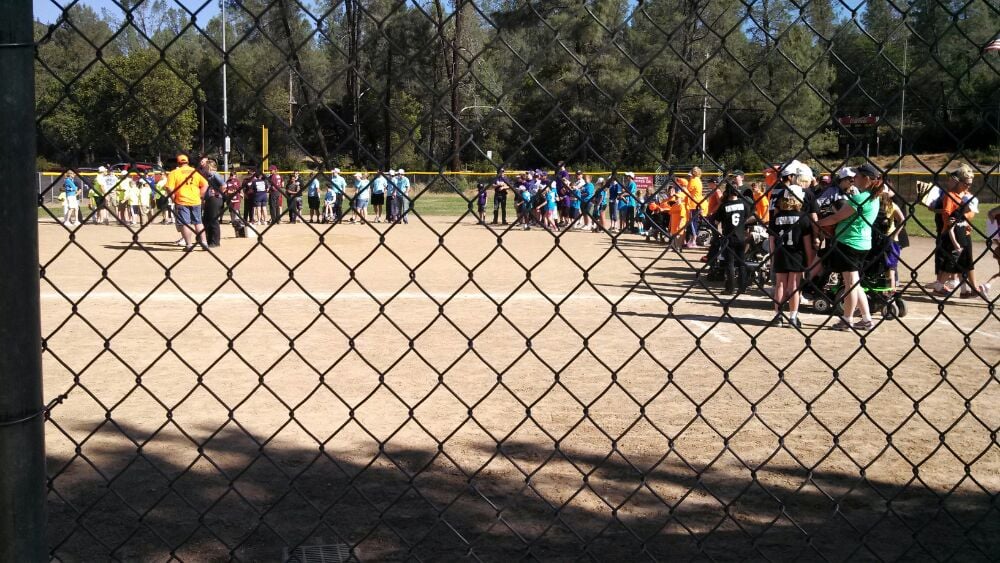
Clair Engle Park is a community park near the city's central commercial area.
It provides space for public gatherings and recreational activities, with facilities that have been included in city improvement projects.
Margaret V. Polf Regional Park is another important public recreation area in the city.
It provides space for outdoor activities and community recreation. Visitors should check the city's current parks information for available facilities and reservations.
Shasta Lake also maintains smaller parks, including Akard Park, Blue Canyon Park, and Shasta Park.
These public spaces provide neighborhood recreation opportunities, with amenities varying by location.
Shasta Dam is a major regional landmark northwest of the city's residential center.
The dam is operated by the U.S. Bureau of Reclamation and plays an important role in California's water storage, flood control, and hydroelectric power systems.
Visitors can learn about the facility through its visitor center and available tours, subject to current operating schedules.
The reservoir offers regional opportunities for boating, fishing, paddling, and other water recreation.
Marinas, boat launches, and recreation facilities are located around different parts of the lake. Access and availability depend on water levels, weather, and facility operations.
The surrounding Shasta-Trinity National Forest provides additional opportunities for hiking, camping, and outdoor activities.
Residents can also travel south to Redding for the Sacramento River Trail and other recreational facilities.
Shasta Dam Boulevard is one of the city's principal commercial corridors.
Local businesses along this route and nearby streets provide restaurants, retail services, and everyday conveniences.
The city also maintains public facilities and supports community activities associated with its parks and civic spaces.
Shasta Lake's history is reflected in local events, including the Shasta Damboree and other community celebrations. Event schedules and activities vary by year.
The Wintu Cultural Center is another local institution associated with the area's Indigenous history and cultural heritage.
For additional grocery shopping, medical services, major retail stores, and employment opportunities, residents can access nearby Redding.
When comparing homes, consider the distance to shopping, schools, healthcare, parks, and major roads.
Properties on quieter residential streets may have different access and traffic characteristics than homes near Interstate 5 or Shasta Dam Boulevard.
Gateway Unified School District operates public schools serving the Shasta Lake area.
Schools located within the City of Shasta Lake include Grand Oaks Elementary School, Shasta Lake Middle School, Central Valley High School, and Mountain Lakes High School.
The district also operates additional schools and educational programs in the broader Redding area.
Educational options may include traditional classroom programs, alternative education, and other district services depending on enrollment eligibility.
Shasta College, located in the Redding area, provides nearby community college education and workforce training.
School attendance boundaries and enrollment policies may change. Buyers should confirm school assignments directly with the appropriate district.
Buying a home in Shasta Lake involves evaluating the property and the conditions that affect long-term ownership.
Many established homes require careful inspection of roofing, foundations, electrical systems, plumbing, and heating and cooling equipment.
For renovated properties, buyers should investigate whether improvements were permitted and whether major building systems were updated.
Wildfire exposure and homeowners insurance availability are important considerations, particularly near wooded land and open space.
Buyers should also review drainage and flood conditions at the parcel level.
The City of Shasta Lake provides electric, water, and sewer services, but buyers should confirm the actual utility arrangements for each property.
For manufactured homes, verify land ownership, title status, financing eligibility, and insurance requirements.
Before planning an addition, accessory dwelling unit, or other improvement, confirm current zoning and permitting rules with the appropriate jurisdiction.
Selling a Shasta Lake property begins with understanding its condition, location, and competition within the current market.
A pricing strategy should account for recent comparable sales, active listings, square footage, lot characteristics, construction quality, and improvements.
The city's housing stock includes properties built during different periods, so buyers may place significant attention on roofs, foundations, HVAC systems, and other major components.
Before listing, evaluate which repairs and presentation improvements are likely to improve marketability.
For properties with workshops, larger lots, or additional structures, confirm permitted uses and accurately describe the improvements.
Charlie Brown combines real estate valuation with construction and renovation knowledge to help sellers assess property condition, prioritize preparation, and develop a pricing and marketing strategy.
The objective is to make informed decisions supported by comparable sales and current buyer demand.
Shasta Lake offers residential investment properties to evaluate, including single-family rentals, smaller multifamily buildings, and homes that may benefit from renovation.
Investors should assess acquisition costs, realistic rental income, vacancy assumptions, maintenance, insurance, property taxes, and capital improvements.
Older properties may require additional reserves for roofing, electrical work, plumbing, and heating and cooling systems.
Investors considering accessory dwelling units, property conversions, or additional construction should verify current zoning and development requirements.
Short-term rental plans require separate review of applicable municipal rules, permitting, and any property-specific restrictions.
Charlie Brown approaches real estate investment through property fundamentals, renovation analysis, operating expenses, and long-term ownership planning.
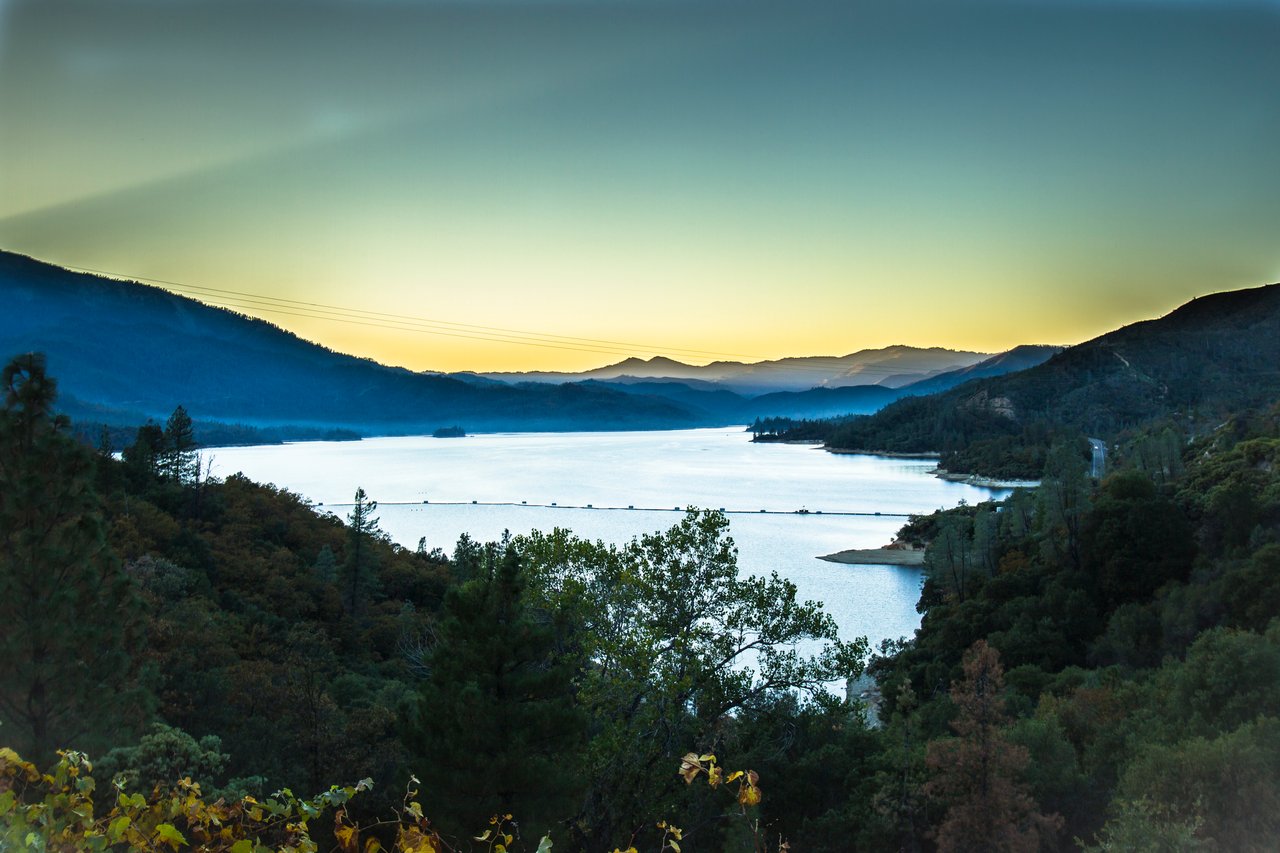
The City of Shasta Lake is located in Shasta County, just north of Redding along Interstate 5. It developed from several communities associated with Shasta Dam construction. The incorporated city is distinct from the larger Shasta Lake reservoir region, which extends into surrounding areas.
Shasta Lake includes established single-family homes, cottages, ranch-style properties, renovated older homes, manufactured housing, and residential land. Property characteristics vary by street and development period. Larger rural properties may be available outside city limits, with different utility and ownership considerations.
Historic community names include Central Valley, Project City, Pine Grove, and Summit City. Toyon is another important historic settlement associated with dam construction. These names provide geographic and historical context, but buyers should verify current subdivision boundaries and individual property details.
The incorporated city is near Shasta Dam and Shasta Lake reservoir, but not every neighborhood is on the waterfront. Many homes are located along residential streets and foothill areas away from the lake. Buyers seeking waterfront or lake-access properties should verify the property's actual location and access rights.
Residents can use city parks such as Clair Engle Park and Margaret V. Polf Regional Park. Nearby Shasta Dam and the reservoir provide access to regional recreation, including boating and fishing. The surrounding national forest offers additional outdoor activities, subject to seasonal conditions.
Gateway Unified School District serves the area and operates Grand Oaks Elementary, Shasta Lake Middle School, Central Valley High School, and Mountain Lakes High School within the city. School assignments and enrollment eligibility should be confirmed directly with the district for each property.
Homeowners insurance availability and premiums depend on individual property characteristics, including location, construction, condition, and wildfire exposure. Buyers should obtain property-specific quotes early and review official hazard maps. Flood and drainage conditions should also be investigated where relevant.
A home's value depends on comparable sales, location, size, condition, improvements, lot characteristics, and current market competition. Because Shasta Lake includes properties of different ages and construction types, a property-specific comparative market analysis is useful when evaluating a potential listing price.
Buying, selling, or investing in Shasta Lake real estate requires an understanding of property condition, local housing characteristics, and long-term ownership costs.
Charlie Brown is a Northern California Realtor and real estate investment advisor with a background in construction management, renovation planning, and residential property evaluation.
If you're buying, Charlie can help you compare homes, assess property condition, and understand ownership expenses. If you're selling, he can help develop a pricing and preparation strategy based on comparable properties and current market conditions.
For investors, his approach emphasizes property fundamentals, financial analysis, and long-term wealth-building through real estate.
Contact Charlie Brown to discuss your Shasta Lake real estate goals and your next steps toward buying, selling, or investing.
10,413 people live in Shasta Lake, where the median age is 39.5 and the average individual income is $29,391. Data provided by the U.S. Census Bureau.
Total Population
Median Age
Population Density Population Density This is the number of people per square mile in a neighborhood.
Average individual Income
There's plenty to do around Shasta Lake, including shopping, dining, nightlife, parks, and more. Data provided by Walk Score and Yelp.
Explore popular things to do in the area, including Drive-In-Market, Circle K, and BluTaco.
| Name | Category | Distance | Reviews |
Ratings by
Yelp
|
|---|---|---|---|---|
| Dining · $$ | 0.12 miles | 4 reviews | 4/5 stars | |
| Dining | 0.33 miles | 0 reviews | 0/5 stars | |
| Dining | 0.86 miles | 0 reviews | 0/5 stars | |
| Dining | 1.16 miles | 1 review | 3/5 stars | |
| Dining | 1.27 miles | 1 review | 4/5 stars | |
| Dining | 1.27 miles | 1 review | 5/5 stars | |
| Dining | 1.56 miles | 0 reviews | 0/5 stars | |
| Dining | 1.56 miles | 1 review | 5/5 stars | |
| Dining | 1.61 miles | 6 reviews | 4.5/5 stars | |
| Dining · $$$$ | 1.64 miles | 5 reviews | 3.6/5 stars | |
| Dining | 1.67 miles | 0 reviews | 0/5 stars | |
| Dining · $ | 1.67 miles | 225 reviews | 4.7/5 stars | |
| Dining | 1.67 miles | 3 reviews | 4.7/5 stars | |
| Active | 0.2 miles | 0 reviews | 0/5 stars | |
| Active | 0.21 miles | 0 reviews | 0/5 stars | |
| Active | 1.23 miles | 4 reviews | 3.3/5 stars | |
| Active | 1.36 miles | 0 reviews | 0/5 stars | |
| Active | 1.49 miles | 0 reviews | 0/5 stars | |
| Active | 1.54 miles | 0 reviews | 0/5 stars | |
| Nightlife | 1.49 miles | 13 reviews | 4.2/5 stars | |
| Nightlife | 1.62 miles | 0 reviews | 0/5 stars | |
| Beauty | 1.53 miles | 1 review | 5/5 stars | |
| Beauty | 1.61 miles | 30 reviews | 4.4/5 stars | |
|
|
||||
|
|
||||
|
|
||||
|
|
||||
|
|
||||
|
|
Shasta Lake has 3,970 households, with an average household size of 2.61. Data provided by the U.S. Census Bureau. Here’s what the people living in Shasta Lake do for work — and how long it takes them to get there. Data provided by the U.S. Census Bureau. 10,413 people call Shasta Lake home. The population density is 539 and the largest age group is Data provided by the U.S. Census Bureau.
Total Population
Population Density Population Density This is the number of people per square mile in a neighborhood.
Median Age
Men vs Women
Population by Age Group
0-9 Years
10-17 Years
18-24 Years
25-64 Years
65-74 Years
75+ Years
Education Level
Total Households
Average Household Size
Average individual Income
Households with Children
With Children:
Without Children:
Marital Status
Blue vs White Collar Workers
Blue Collar:
White Collar: