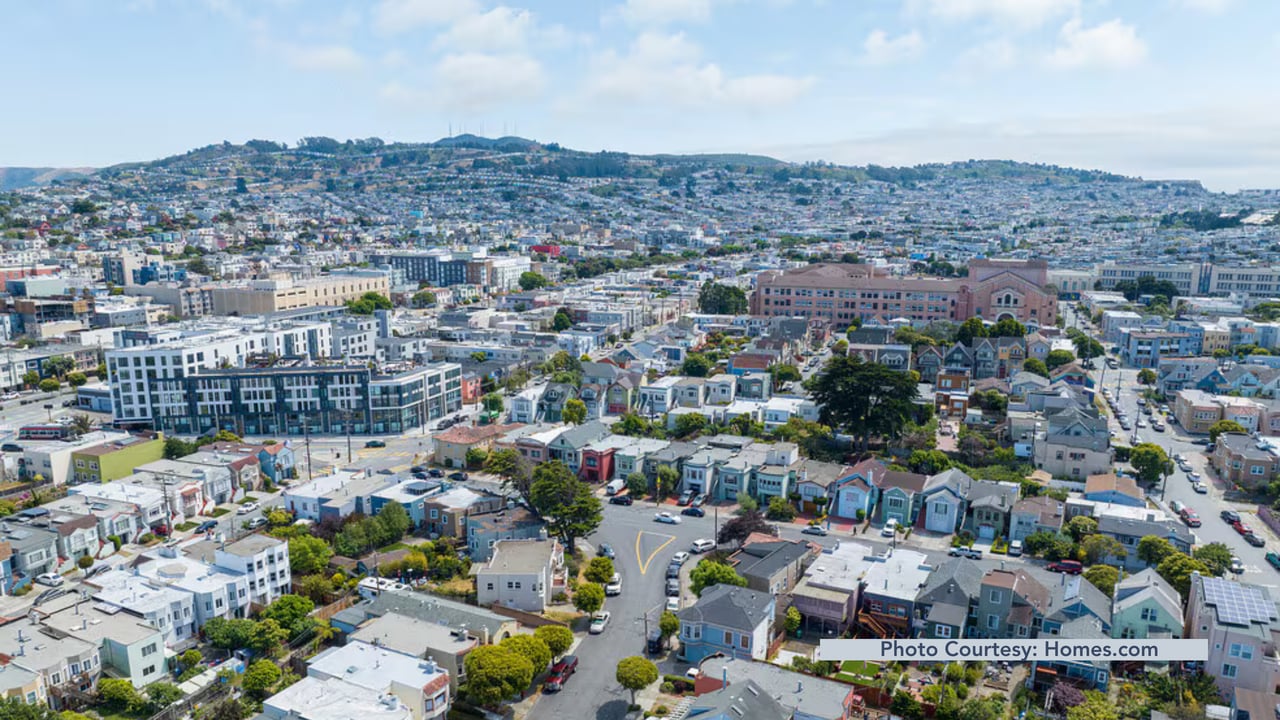
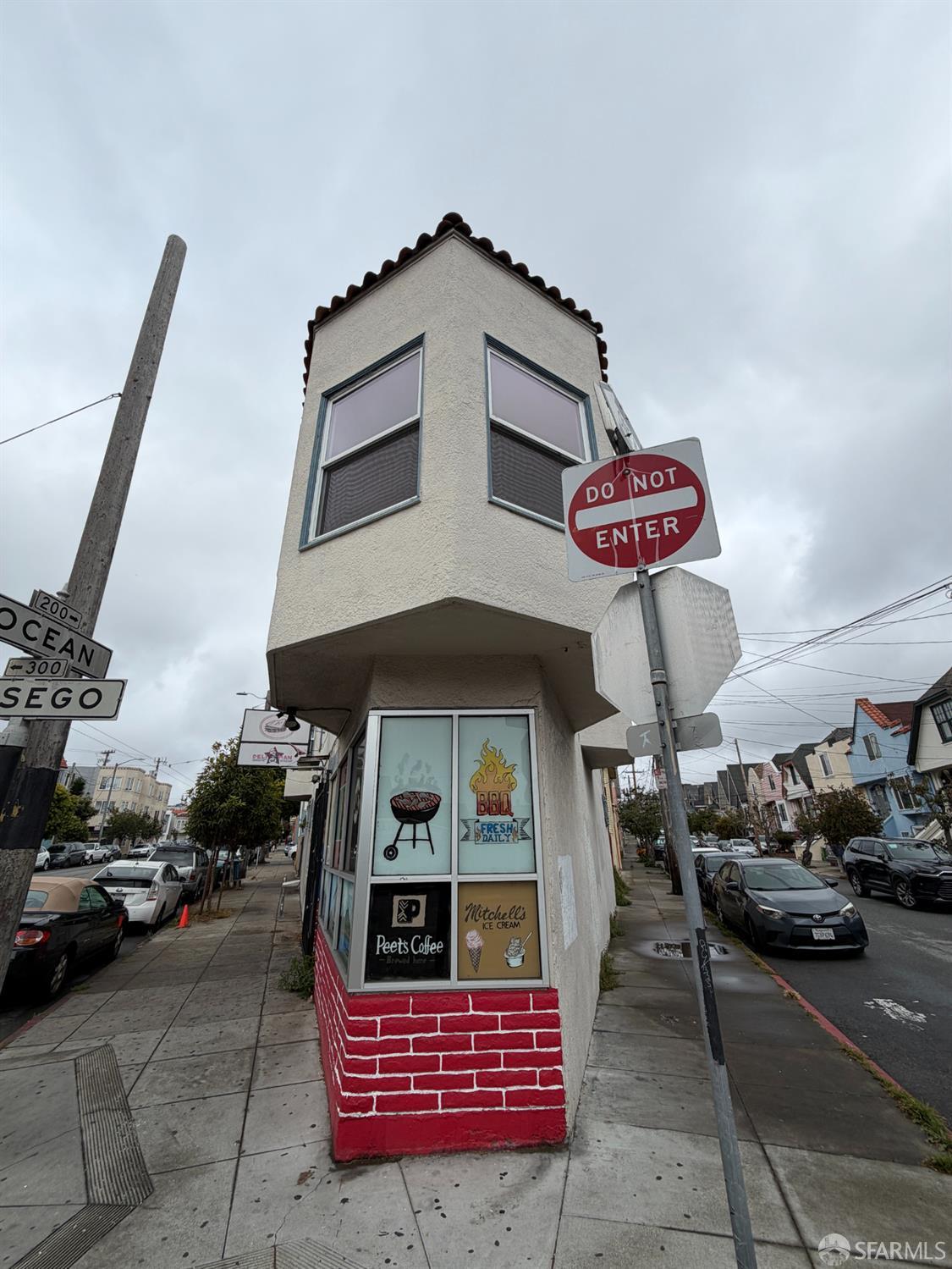
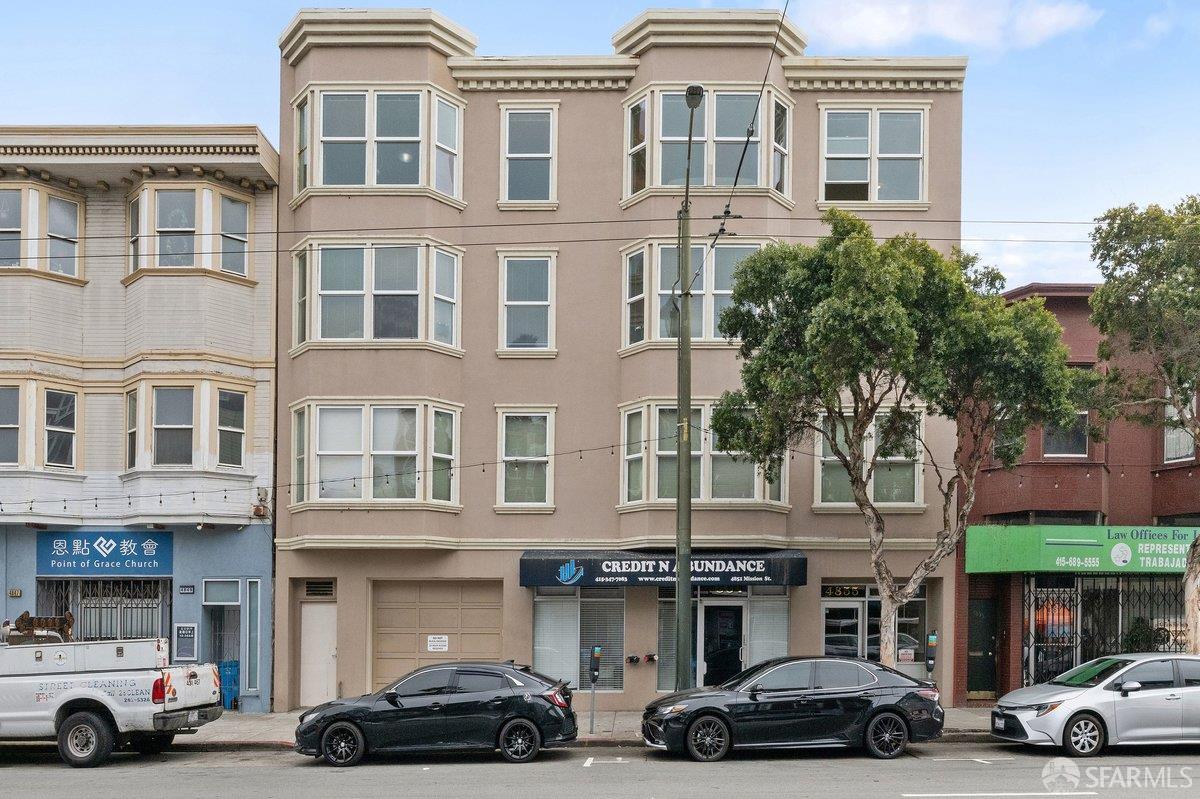
If you're considering moving to San Francisco or investing in real estate, Mission Terrace offers a unique blend of family-friendly amenities, convenient access to urban resources, and strong community spirit. Nestled in the southeastern corner of the city, this neighborhood boasts affordable housing options, green spaces, and a welcoming environment perfect for families and young professionals.
In this guide, we'll walk through the key features of Mission Terrace, including housing options, schools, parks, safety, local amenities, and investment potential.
Mission Terrace is an attractive option for families due to its balanced mix of residential homes, access to parks, and proximity to essential services. For real estate investors, the area presents a solid opportunity with potential for long-term growth. Here's a breakdown of what makes Mission Terrace stand out.
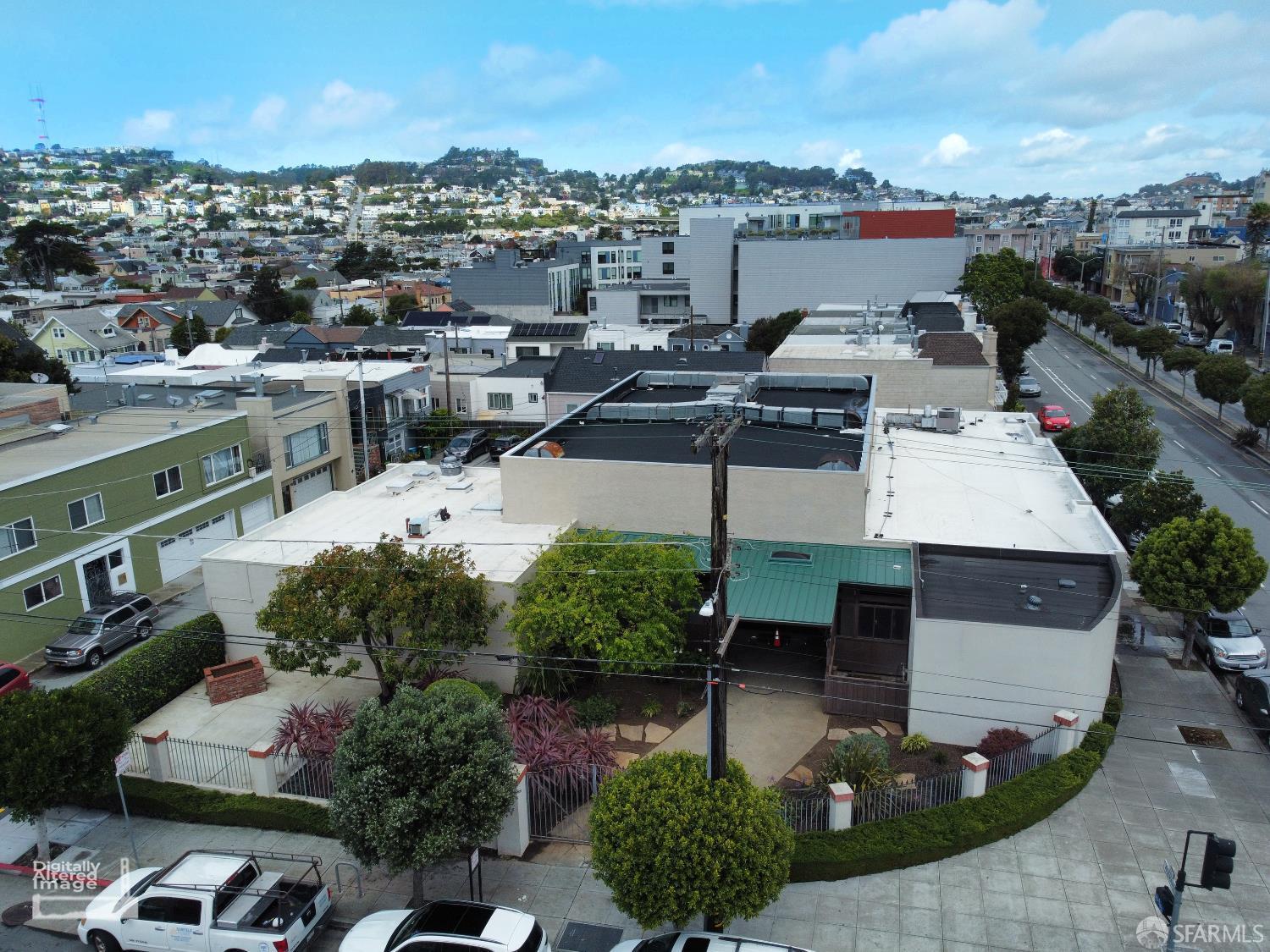
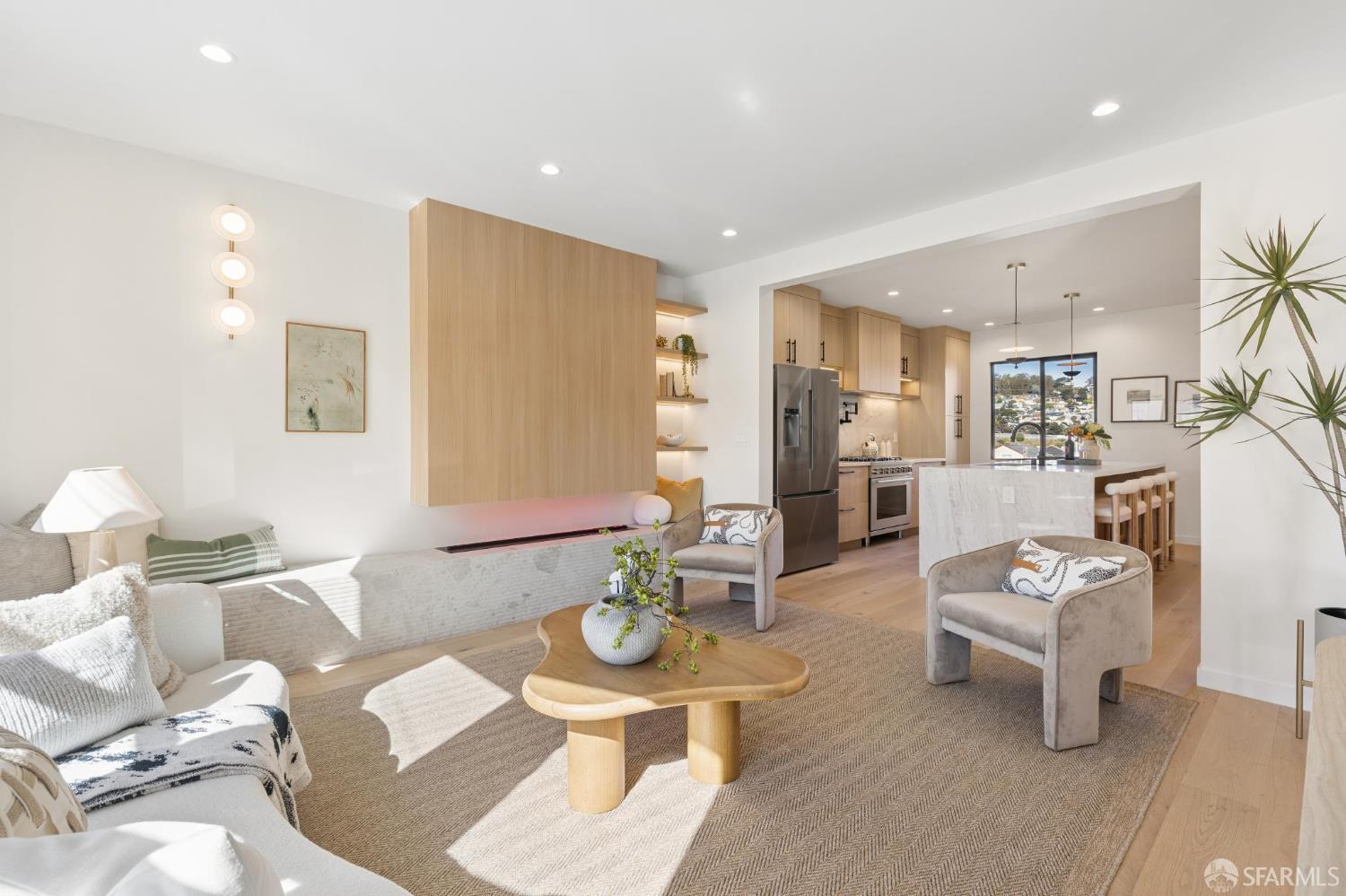
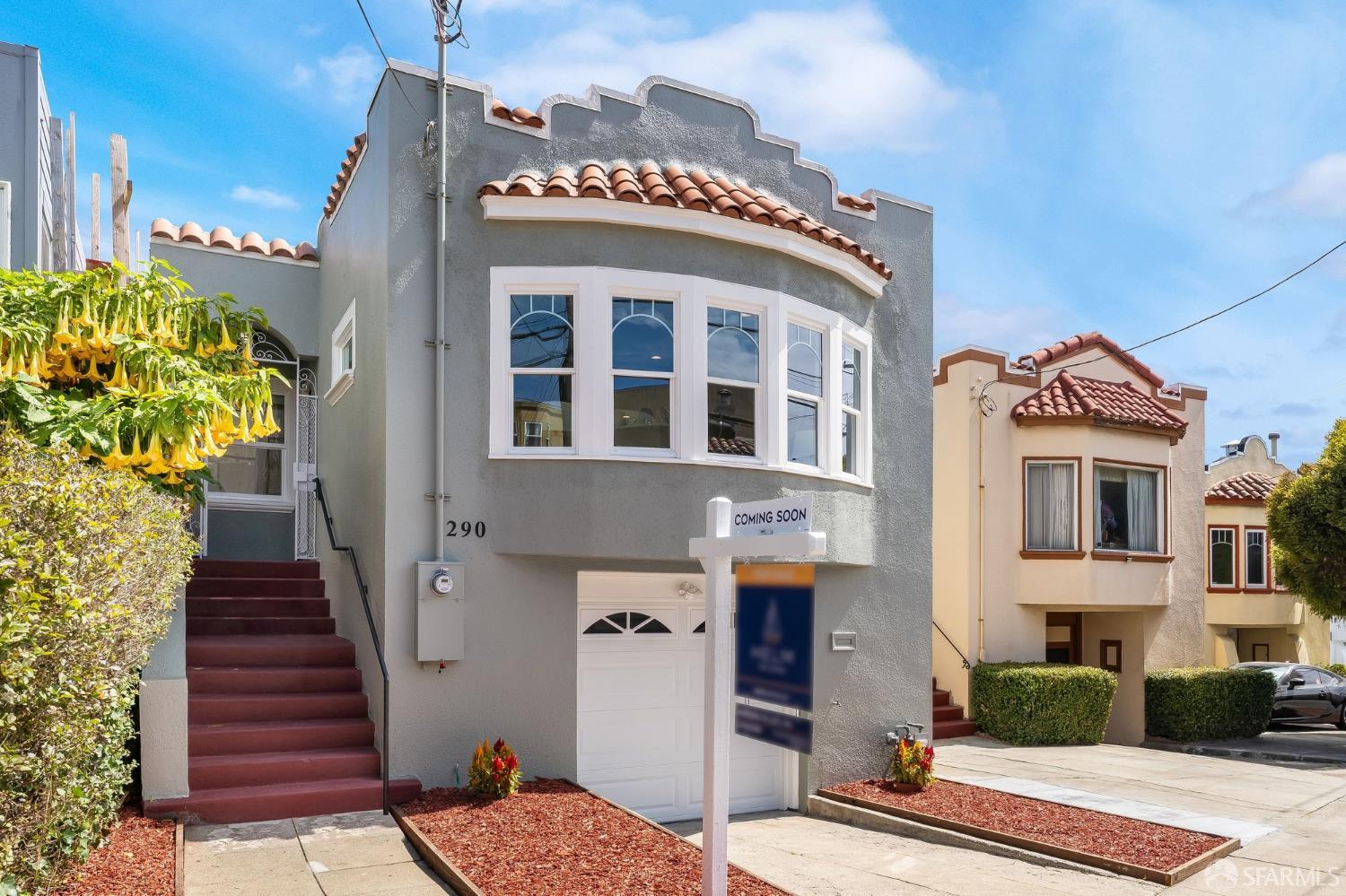
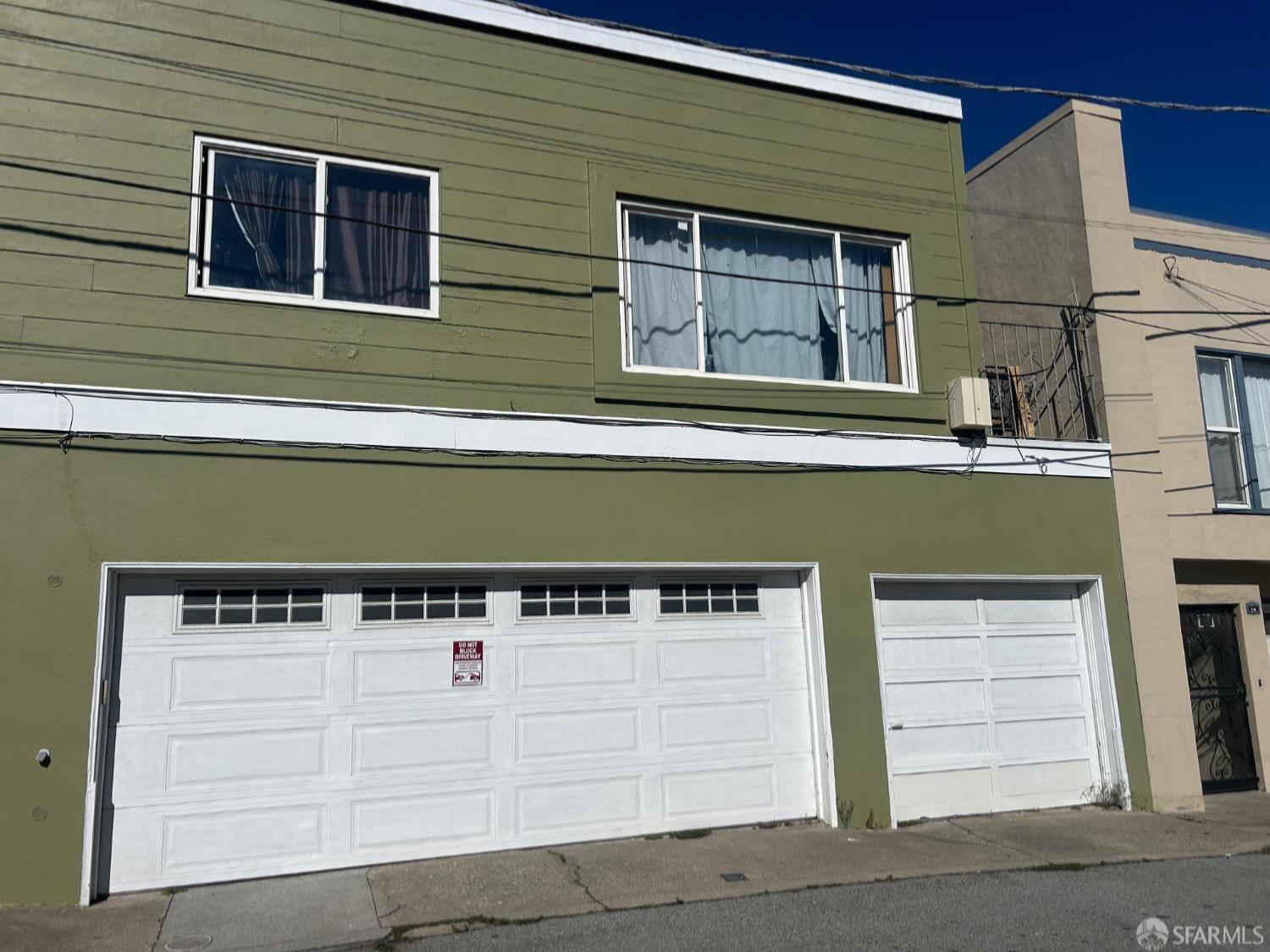
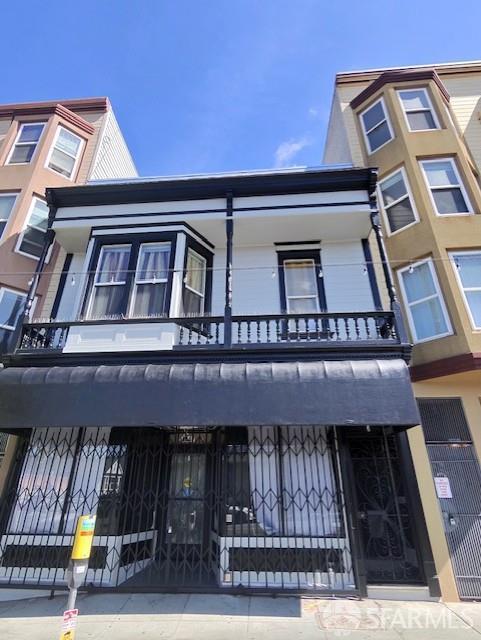
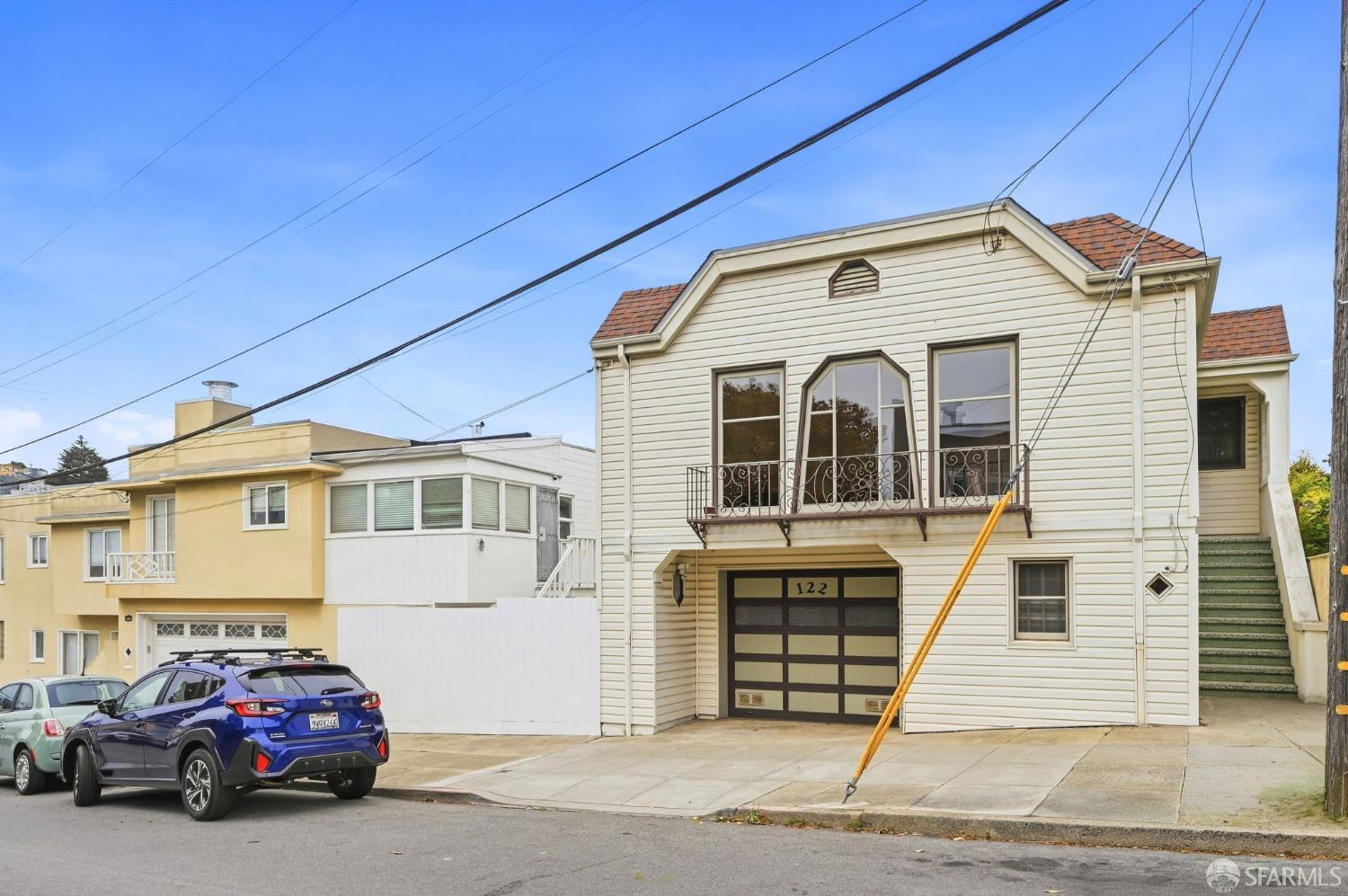
Mission Terrace is known for its diverse housing styles, including well-maintained single-family homes and multi-unit buildings. Many homes in the area were built in the 1920s, providing charming architectural character. The average home value in the area as of 2024 is approximately $1.1 million, a slight decrease from the previous year, making it a relatively affordable option compared to other San Francisco neighborhoods.
Mission Terrace is served by several highly-rated public schools, making it an appealing area for families looking for quality education. The neighborhood benefits from proximity to some of the city's best public schools, and educational institutions like Balboa High School are a short distance away.
Schools are rated good to excellent by resources like GreatSchools, which is an important factor for families moving to the area.
One of the key family-friendly features of Mission Terrace is its access to parks and recreational areas. Balboa Park, just a short walk from the neighborhood, offers:
This park serves as a popular spot for local families to spend the weekend, enjoy outdoor activities, and engage in sports.
Safety is a priority for most families, and Mission Terrace is generally considered safe. With a low crime rate compared to other areas of San Francisco, it provides peace of mind for families looking for a secure place to live. Neighborhood crime scores show Mission Terrace's crime rate is lower than many other parts of San Francisco, which adds to its appeal.
Additionally, Mission Terrace boasts a strong sense of community, with residents frequently engaging in local events and activities. It’s not uncommon to see neighborhood initiatives and gatherings that help foster connections and create a close-knit environment.
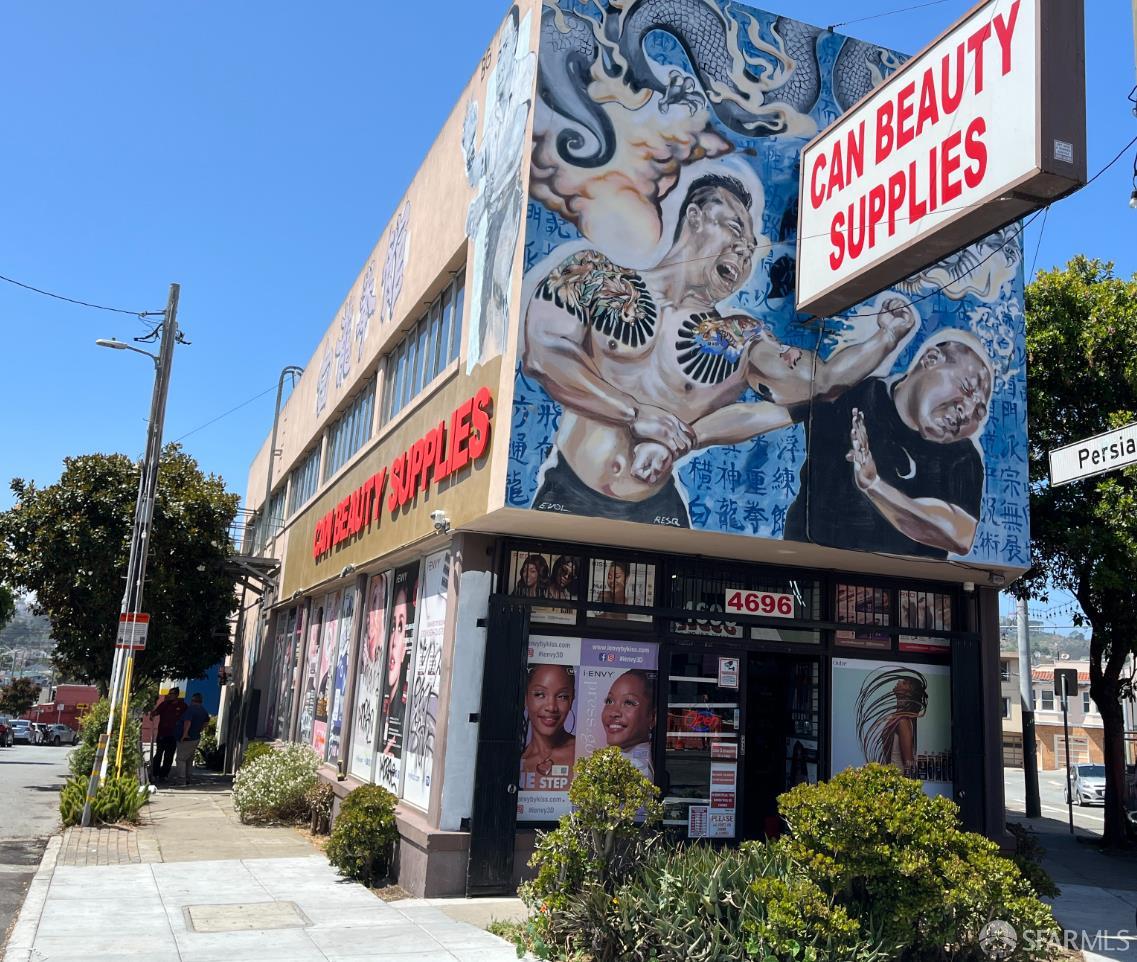
Living in Mission Terrace means easy access to a variety of local amenities, including dining and shopping options.
Mission Terrace remains an attractive neighborhood for investors due to its relatively stable real estate market. While the market saw a slight 1.1% decrease in home prices over the last year, it still holds strong potential for appreciation, especially in a city like San Francisco.
For those looking to improve or renovate properties in Mission Terrace, the neighborhood’s older homes offer opportunities for value enhancements. Investors should consider focusing on:
With a mix of traditional and modern homes, updating these properties to meet contemporary standards will help secure higher returns, whether for flipping or renting.
Mission Terrace isn't just about the properties—it’s about the people. The neighborhood has a strong community spirit with local events, shared activities, and neighborhood initiatives. Many residents are long-time locals who enjoy the welcoming and inclusive atmosphere of the area. It’s a place where families can feel safe, connected, and part of a vibrant local scene.
The architectural diversity of Mission Terrace, with homes from various periods, adds to the neighborhood’s unique character. Whether you’re a history lover or prefer more modern aesthetics, the variety of architecture makes it an interesting place to live or invest in.
For families looking for a safe, community-oriented neighborhood with good schools, ample green space, and easy access to the city’s amenities, Mission Terrace is an excellent choice. For real estate investors, the area offers a stable market with the potential for future growth. Whether you’re buying your first home or adding to your portfolio, this family-friendly neighborhood has a lot to offer.
If you’d like to explore more about Mission Terrace or have any questions about available properties, contact us today for more information or to schedule a viewing. We’re here to help you find the perfect home or investment in this wonderful neighborhood!
10,626 people live in Mission Terrace, where the median age is 39 and the average individual income is $59,602. Data provided by the U.S. Census Bureau.
Total Population
Median Age
Population Density Population Density This is the number of people per square mile in a neighborhood.
Average individual Income
There's plenty to do around Mission Terrace, including shopping, dining, nightlife, parks, and more. Data provided by Walk Score and Yelp.
Explore popular things to do in the area, including Baby & Mom Nutrition, Silver Moon Big Band, and New Marbet's Hair Cuts.
| Name | Category | Distance | Reviews |
Ratings by
Yelp
|
|---|---|---|---|---|
| Dining | 0.46 miles | 1 review | 4/5 stars | |
| Nightlife | 0.21 miles | 0 reviews | 0/5 stars | |
| Beauty | 0.22 miles | 8 reviews | 4.5/5 stars | |
| Beauty | 0.4 miles | 0 reviews | 0/5 stars | |
| Beauty | 0.4 miles | 0 reviews | 0/5 stars | |
| Beauty | 0.4 miles | 0 reviews | 0/5 stars | |
|
|
||||
|
|
||||
|
|
||||
|
|
||||
|
|
||||
|
|
Mission Terrace has 2,966 households, with an average household size of 4. Data provided by the U.S. Census Bureau. Here’s what the people living in Mission Terrace do for work — and how long it takes them to get there. Data provided by the U.S. Census Bureau. 10,626 people call Mission Terrace home. The population density is 27,275 and the largest age group is Data provided by the U.S. Census Bureau.
Total Population
Population Density Population Density This is the number of people per square mile in a neighborhood.
Median Age
Men vs Women
Population by Age Group
0-9 Years
10-17 Years
18-24 Years
25-64 Years
65-74 Years
75+ Years
Education Level
Total Households
Average Household Size
Average individual Income
Households with Children
With Children:
Without Children:
Marital Status
Blue vs White Collar Workers
Blue Collar:
White Collar: