To help you make the most of that experience, here’s a thorough guide on the most valuable questions to ask, woven naturally into helpful and informative paragraphs.
Understand Seller Motivation and Listing History
A smart first question is “Why is the home for sale?” Sellers may be relocating for personal reasons—work, family, or lifestyle change—which doesn’t raise red flags. But if issues like structural problems, neighborhood troubles, or pending developments are the cause, it can offer valuable insight into both the property and price flexibility.
Equally important is knowing how long the property has been on the market, and whether there have been any price adjustments. Homes lingered for months—or with multiple price drops—often indicate either market softness or hidden issues. Understanding this history helps you position an offer with confidence.
Inquire About Property Condition and Maintenance
Once inside, dig into the condition of major systems. Ask when the roof was last replaced, the age of heating and cooling units, and whether plumbing or electrical systems have been serviced recently. These systems are expensive and often overlooked in listings. A well-maintained HVAC suggests the homeowner cared about long-term upkeep.
Next, probe for any past problems: water damage, mold, foundation cracks, or pests like termites. Confirm whether the seller has performed any testing—for lead, asbestos, radon, or mold—and if results are available. If there were any issues, knowing whether they were professionally addressed (with permits) or just patched in DIY fashion can help assess the home’s true condition.
Ask About Renovations, Permits, and Quality of Upgrades
Home improvements can add value—but only if done right. Ask what renovations have been completed, by whom, and whether permits were obtained. Ask which projects were DIY versus professionally executed, as mistakes are common from first-time remodelers.
Further, find out which appliances are staying, how old they are, and if any warranties still apply. A newer fridge or HVAC system can represent savings and peace of mind.
Evaluate Neighborhood, Safety, and Amenities
Homes exist within communities, especially for families. Explore whether there are any safety concerns in the area—crime rates, traffic patterns, or road noise—and whether the home ever suffered flood, fire, or other environmental events Ask if the home is in a FEMA flood zone and whether the seller carries flood insurance.
Another critical topic is local schools. For families, school quality can drive decisions more than any other factor. Ask about local schools, their ratings, and distance from the home—plus any planned school boundary changes.
Probe also into community amenities: parks, recreational centers, walking trails, libraries, farmers markets, perhaps even neighborhood events or associations. Friendly neighbors and active community life can make all the difference in long-term satisfaction.
Uncover Structural and Legal Red Flags
It’s wise to ask whether the home has a history of issues—structural problems, roof leaks, or insect infestations. Request a Seller’s Property Disclosure and inquire whether there have been any violations, undisclosed additions, or code issues.
Also ask whether the home bears any "stigmas": deaths, lawsuits, or past criminal activity associated with the property. These may not always be legally required to disclose—but can influence your comfort level and resale potential.
Clarify Pricing, Negotiability, and Offers
Pricing strategy is crucial. Ask how often the price has been changed and whether there are active offers on the table. A property with recent reductions may allow room for negotiation; multiple pending offers might mean a bidding war.
You should also ask, “What contingencies are acceptable?”—are sellers open to financing, inspection, appraisal, or sale-of-home contingencies? Knowing their flexibility helps craft a stronger offer.
Explore Utility Costs and Ongoing Expenses
Once you’re picturing day-to-day living, it's essential to ask about utility expenses. Request recent bills for electricity, water, gas, and any other recurring fees—for example, HVAC servicing, pool maintenance, or HOA dues.
Also ask about energy efficiency, including insulation, window ratings, and thermostat types—these factors affect long-term costs and environmental impact.
Assess Outdoor Spaces and Environmental Conditions
From a curbside view, look at drainage, landscaping, tree health, and any signs of pooling or erosion in the yard—and confirm what the seller knows about them. Ask whether the home ever experienced flooding, flooding from nearby developments, or seasonal soil issues.
If you plan to expand, check whether additions are possible, what restrictions may apply, or if neighbors have made changes—this insight helps evaluate future growth potential.
Focus on Family-Centric Details
For families, day-to-day convenience often outweighs design aesthetics. Ask about noise levels (traffic, trains, planes), availability of sidewalks, and where children might go to school or play—like parks, playgrounds, or youth groups nearby.
Find out whether other families live in the neighborhood, and if there are local playgrounds, sports programs, or community centers—these factors shape family life.
Learn About Future Changes and Development
Long-term sense of place depends on what’s coming next. Ask whether there are planned developments, rezoning, construction proposals, or road changes coming to the neighborhood. This can impact traffic, school capacity, property values, and your quality of life. Find out who to contact to verify such info and anticipate future community paths.
Center on Open House Etiquette and Strategy
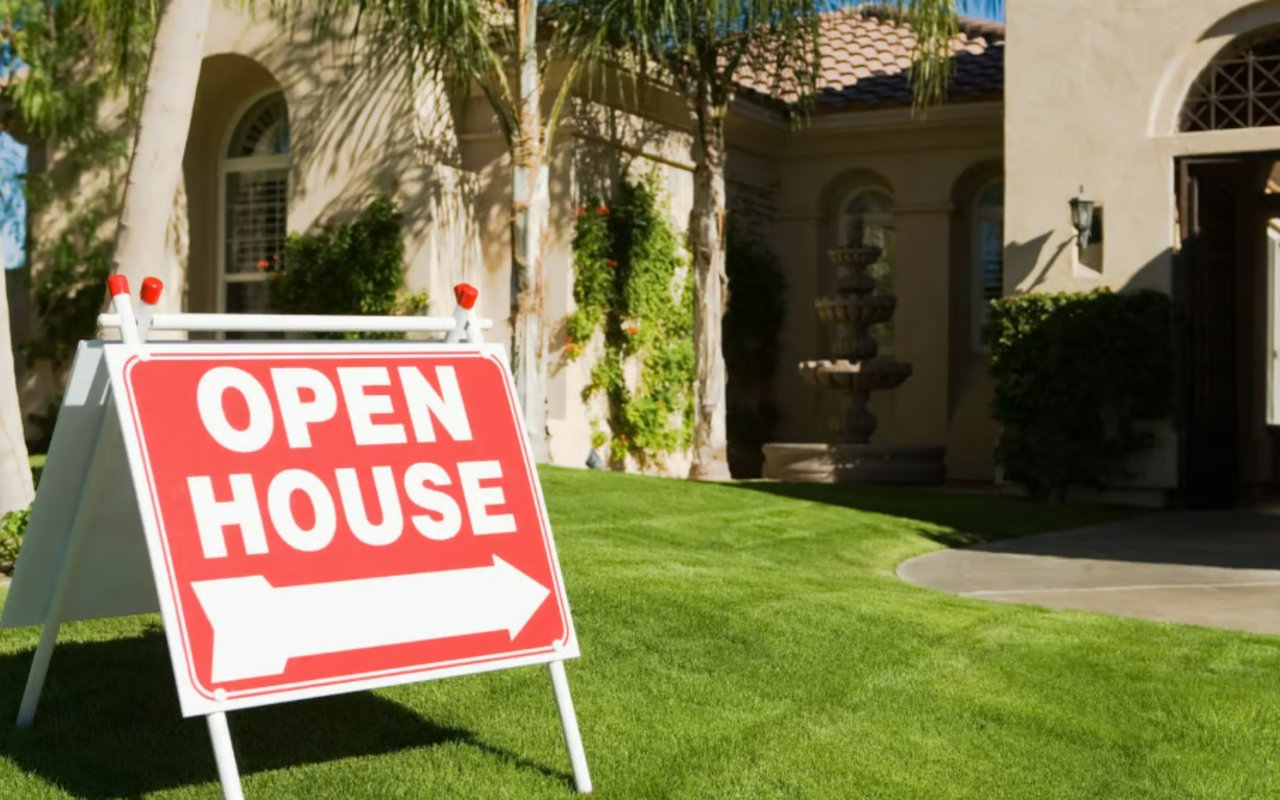
Before walking through the front door, first ask “Are you the listing agent?” Answers may differ if a co-agent or assistant is on site. First impressions matter: arriving early or late can offer more privacy and time with the agent.
During the visit: be courteous, ask permission before taking photos or videos, respect personal items, and supervise any children. It’s not just polite—it also signals seriousness, which can strengthen your negotiation position later.
Use Open House to Build Negotiation Leverage
One of the smartest strategies at an open house is to take mental—or physical—notes of any potential flaws. Mentioning these later to your agent can help you negotiate a fair credit or reduction during the inspection contingency.
At the event, subtly share how this home compares to others you’ve seen ("The neighborhood seems quieter than X, but the backyard is smaller")—this tells the agent you’ve done your homework without revealing your full strategy.
Prioritize Controllable vs. Uncontrollable Factors
As real estate expert Ben Fox from Better Homes & Gardens notes, focus on non-negotiable, location-based issues you can’t change: crime, noise, zoning, school districts, flood risk, and commuter routes. These factors matter far more than cosmetic issues, which you can remodel later.
During the visit, mentally separate what you can change (paint color, decor, some layout features) versus what you can’t (street alignment, adjacent buildings). Ask questions to clarify which is which.
Prepare for the Next Steps
Once you leave the open house, use what you’ve learned to guide your next moves. Ask yourself:
- Is the seller motivated to close quickly?
- Do inspection issues scare you off, or can they be negotiated?
- How does the home stack up compared to others in size, condition, and location?
- What’s the offer strategy, given pending offers or pricing?
Use the open house as fuel for your agent to craft a tailored offer—one that feels smart yet not desperate.
Why This Matters for Families
Families face unique hurdles: reliable schools, safe streets, outdoor space, and supportive neighbors. Every question above is even more important in that light. Knowing school district ratings, nearest parks, community programs, noise disruptions, and utility predictability can make or break daily living.
For example, if the yard floods in rainy season or there's no sidewalk, kids walking to school may face hazards. If an addition isn’t possible, you may outgrow the home prematurely. If nearby construction is planned, your morning commute could get longer. These aren’t just abstract concerns—they’re very tangible to growing families.
Final Thoughts
An open house is more than a quick walkthrough—it’s a discovery session. Treat it like a live interview: engage respectfully, ask strategic questions, and observe everything from school commutes to electrical panels.
To recap, make sure you cover:
- Seller motivation and listing history
- Major systems and repairs
- Renovations and permits
- Neighborhood safety, schools, and amenities
- Structural risks or stigmas
- Pricing shifts and negotiation flexibility
- Utility costs and energy efficiency
- Yard, drainage, and expansion space
- Planned zoning or construction changes
- Etiquette and presentation cues
By the end of the visit, you should have a solid grasp of whether this home fits your lifestyle, budget, and future vision. And with the team at Charlie Brown, you’ll have guidance that turns open‑house insights into actionable next steps—whether that’s making a confident offer or walking away wiser.